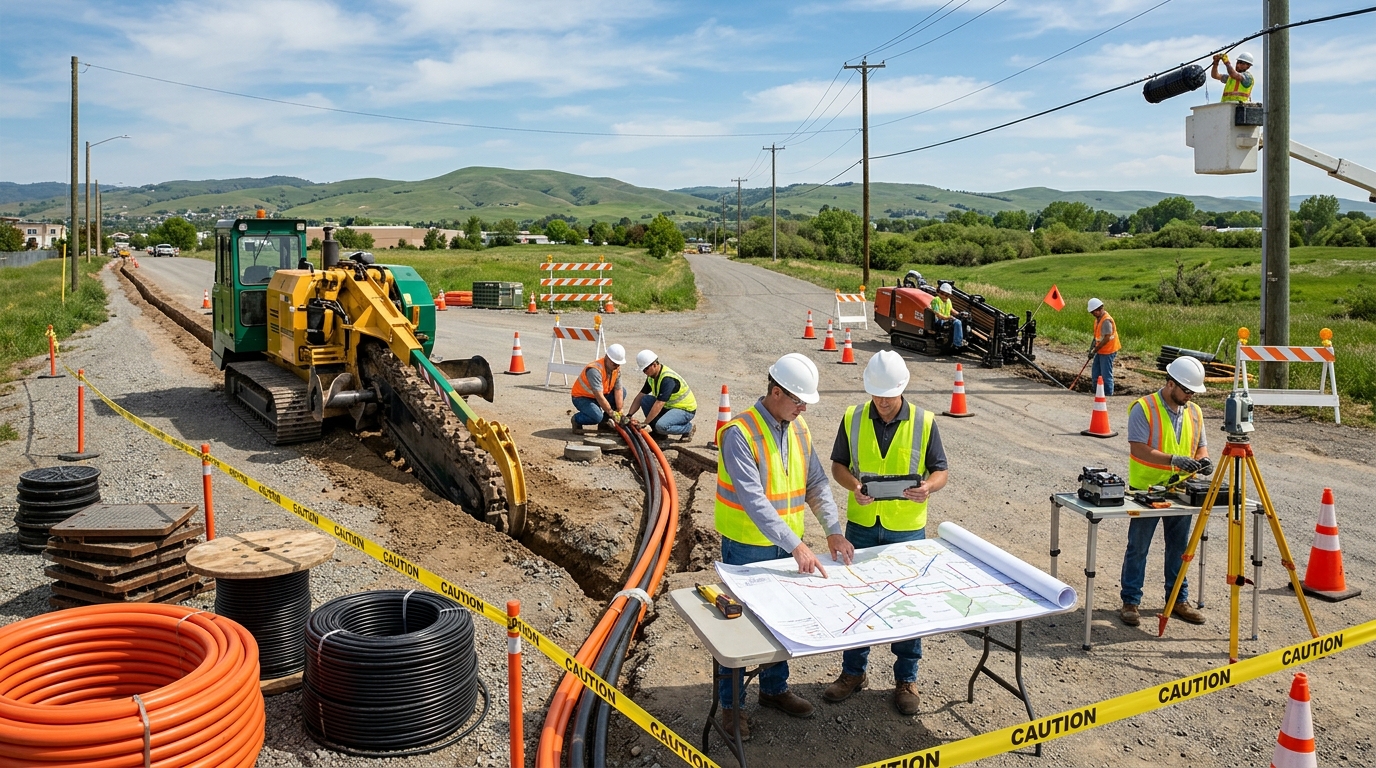
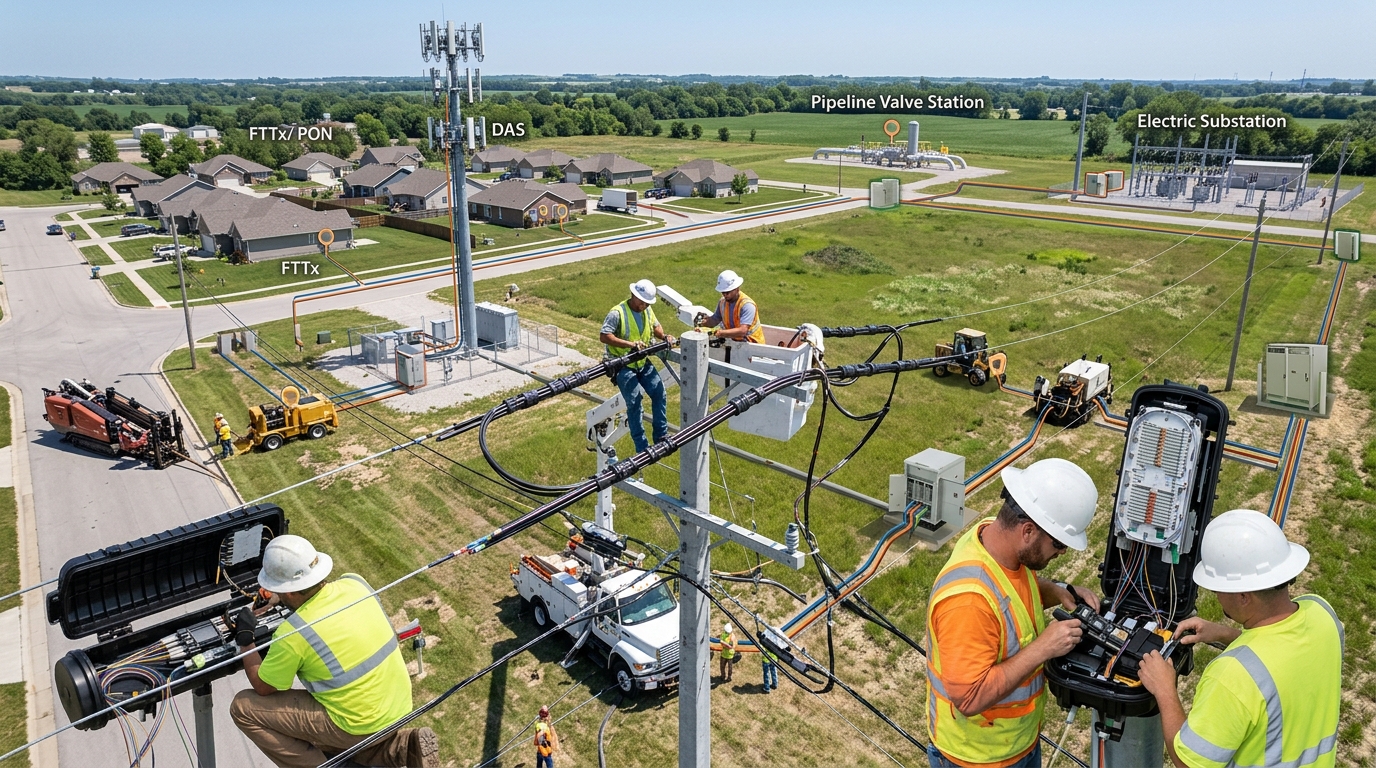
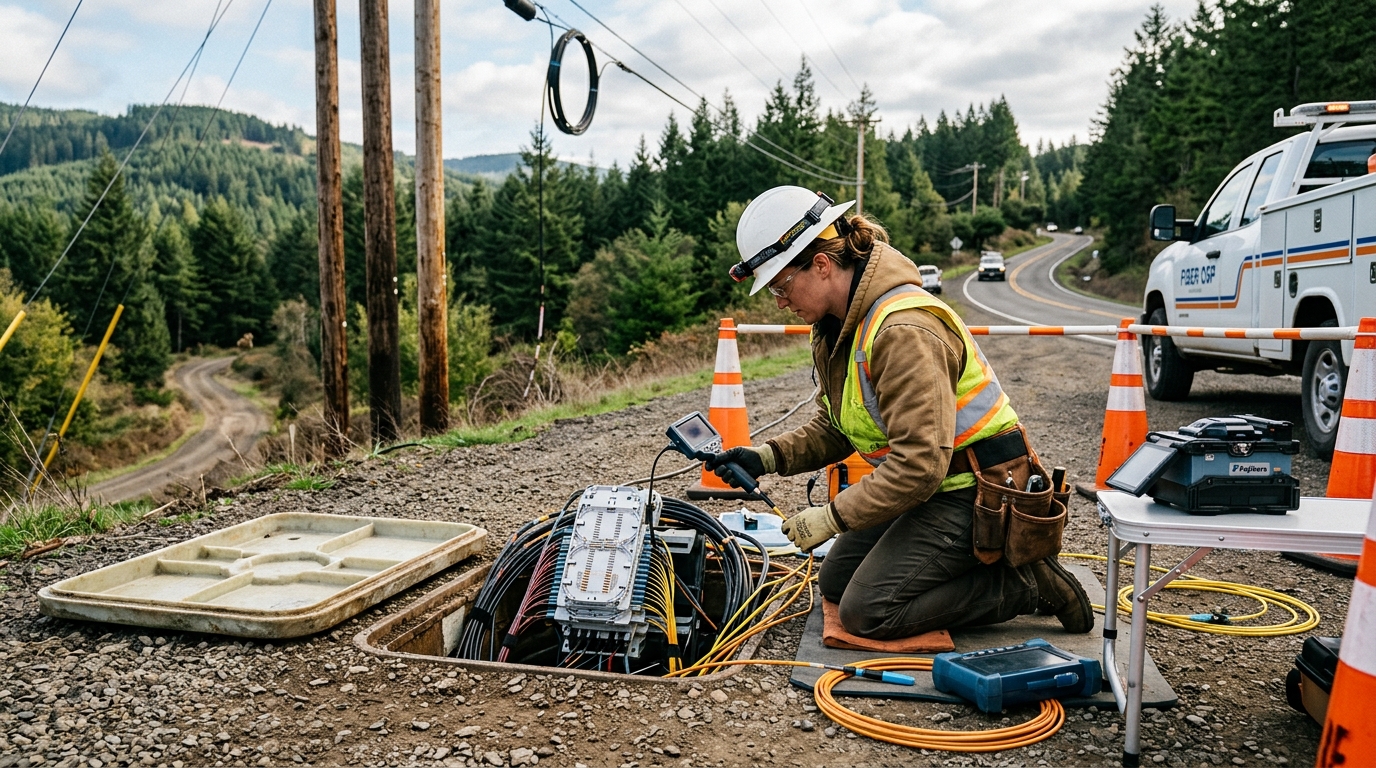
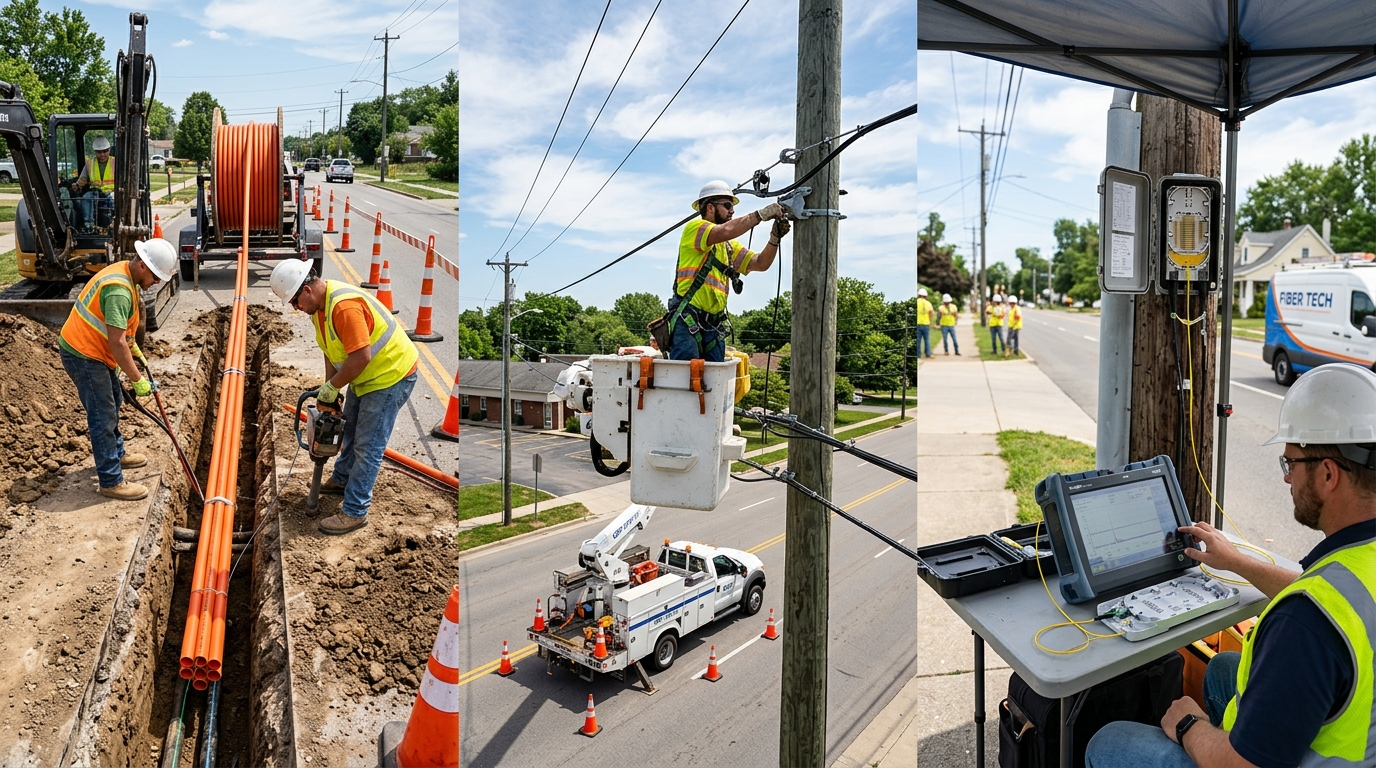
This handbook provides authoritative guidance on the design, construction, installation, and lifecycle management of outside plant (OSP) telecommunications infrastructure.
It is written for professionals holding or pursuing BICSI Registered Communications Distribution Designer (RCDD) and Outside Plant (OSP) Designer credentials, as well as ICT consultants and telecommunications engineers responsible for campus, carrier, utility, and government networks.
14.1 Purpose and Scope OSP projects are inherently multidisciplinary and often span multiple jurisdictions, owners,…
13.1 Purpose and Scope While the fundamental principles of OSP design and construction apply broadly,…
12.1 Purpose and Scope OSP infrastructure is a long-lived asset. Its value depends on sustained…
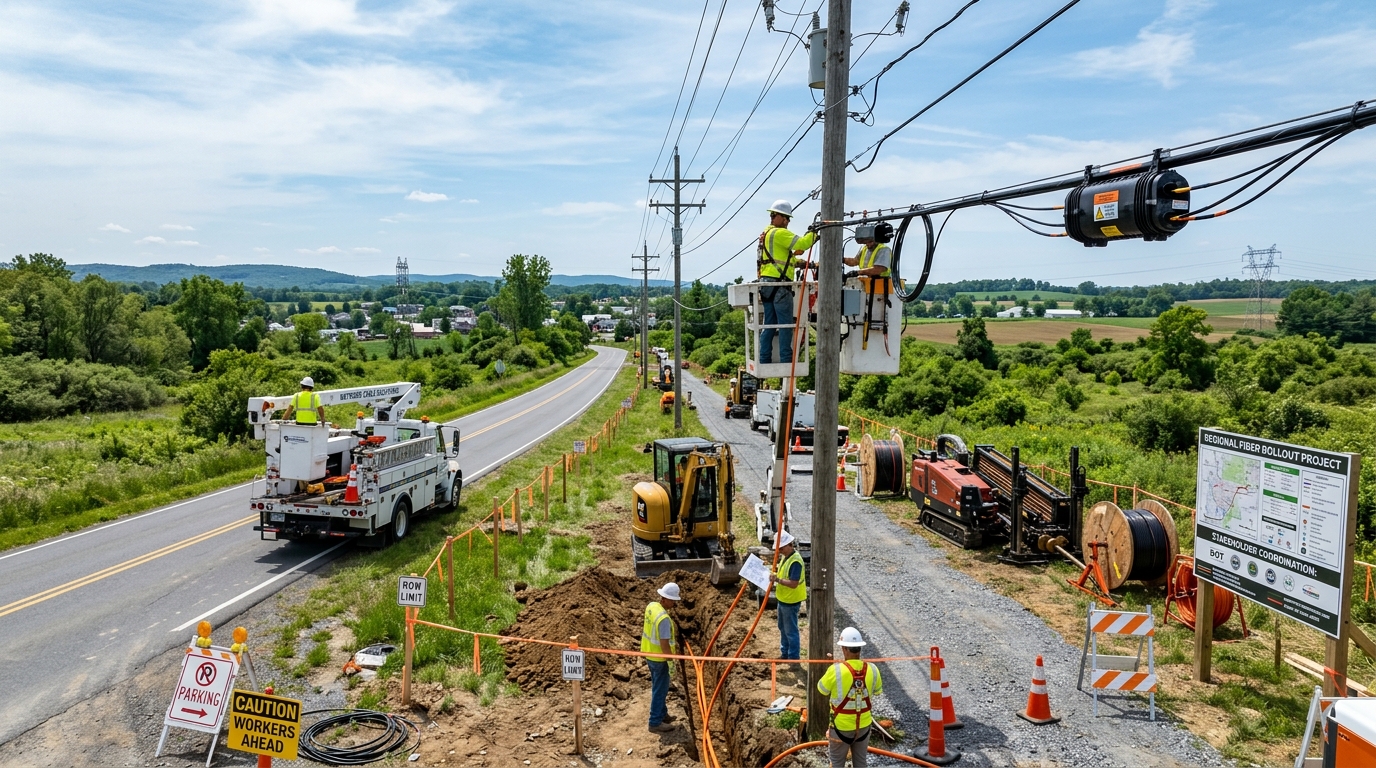
11.1 Purpose and Scope Even the best design fails if construction and installation are poorly…
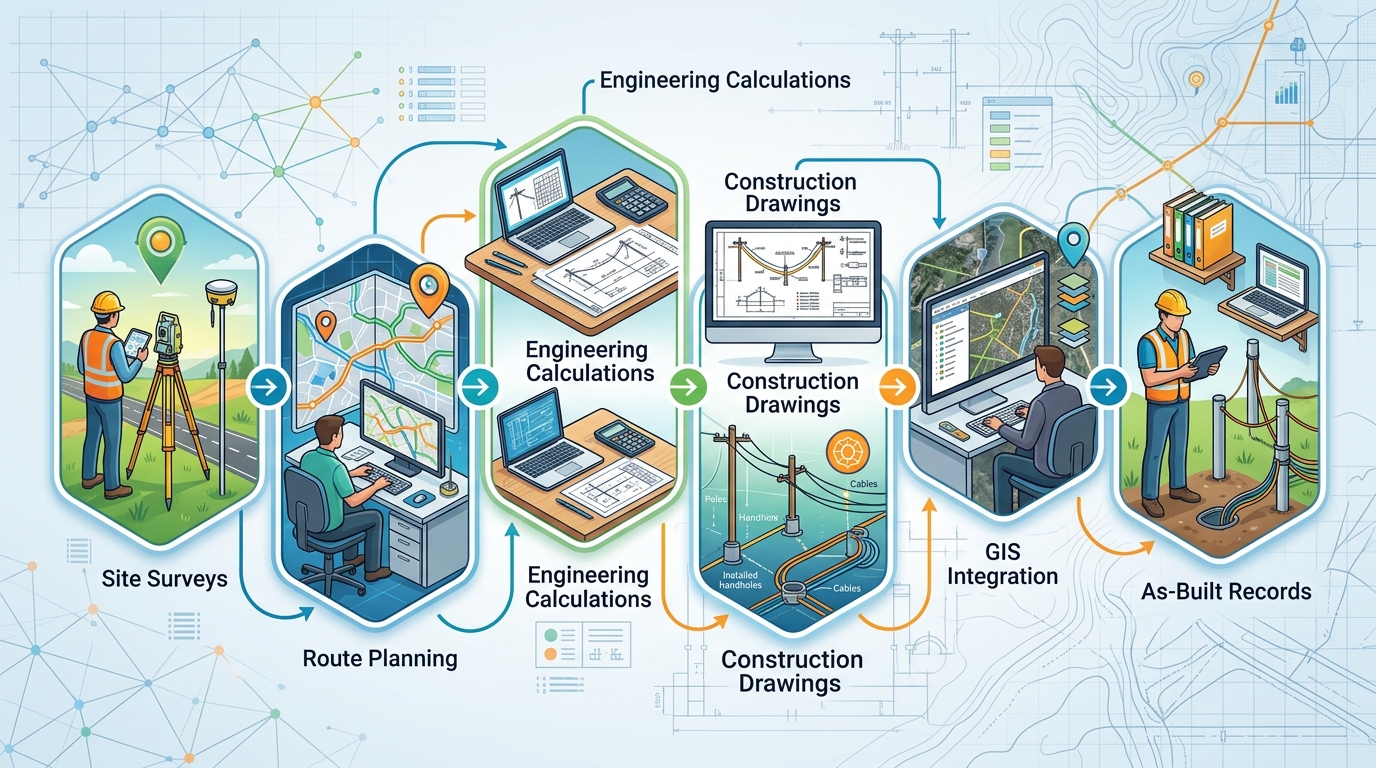
10.1 Purpose and Scope A disciplined design process converts user requirements into constructible, code-compliant, and…
9.1 Purpose and Scope No OSP design can be constructed without legal authority to occupy…
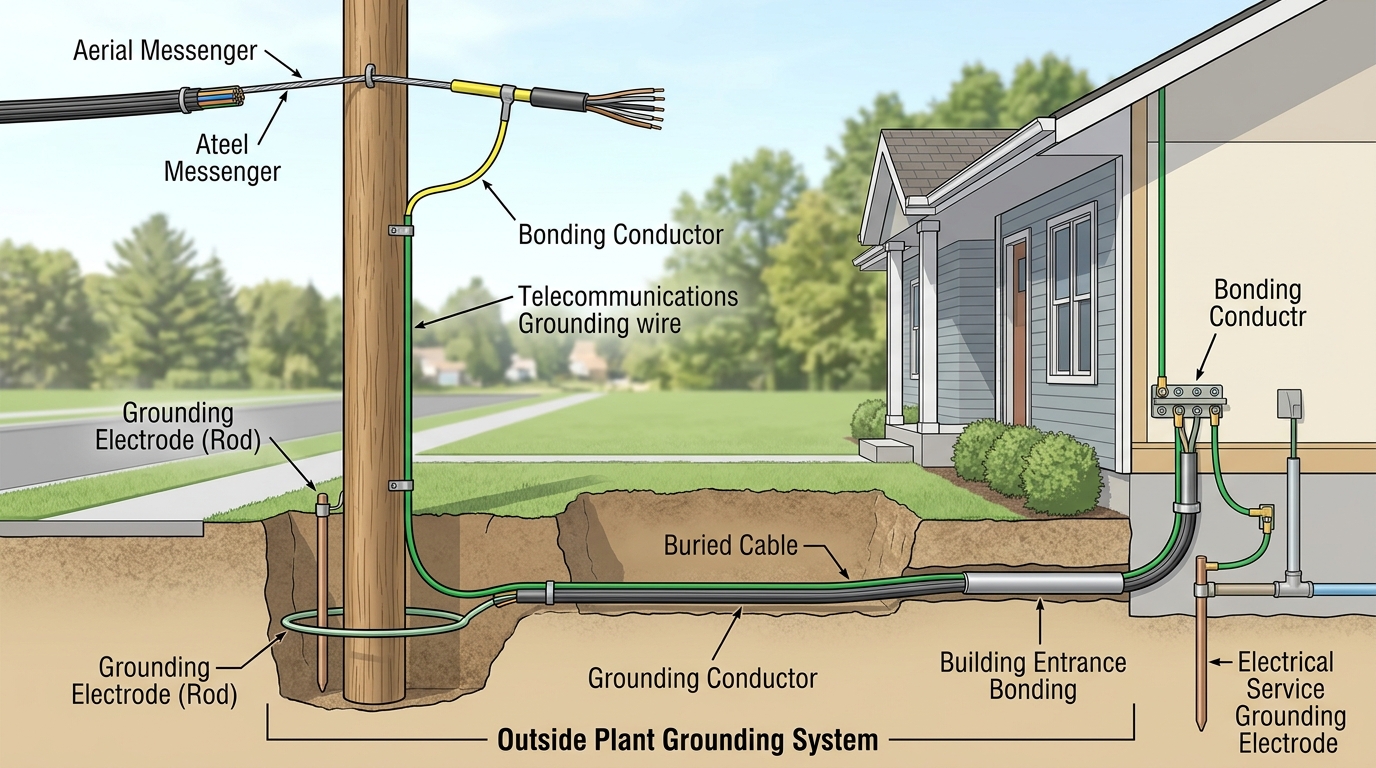
8.1 Purpose and Scope Proper bonding, grounding, and electrical protection are essential for personnel safety,…
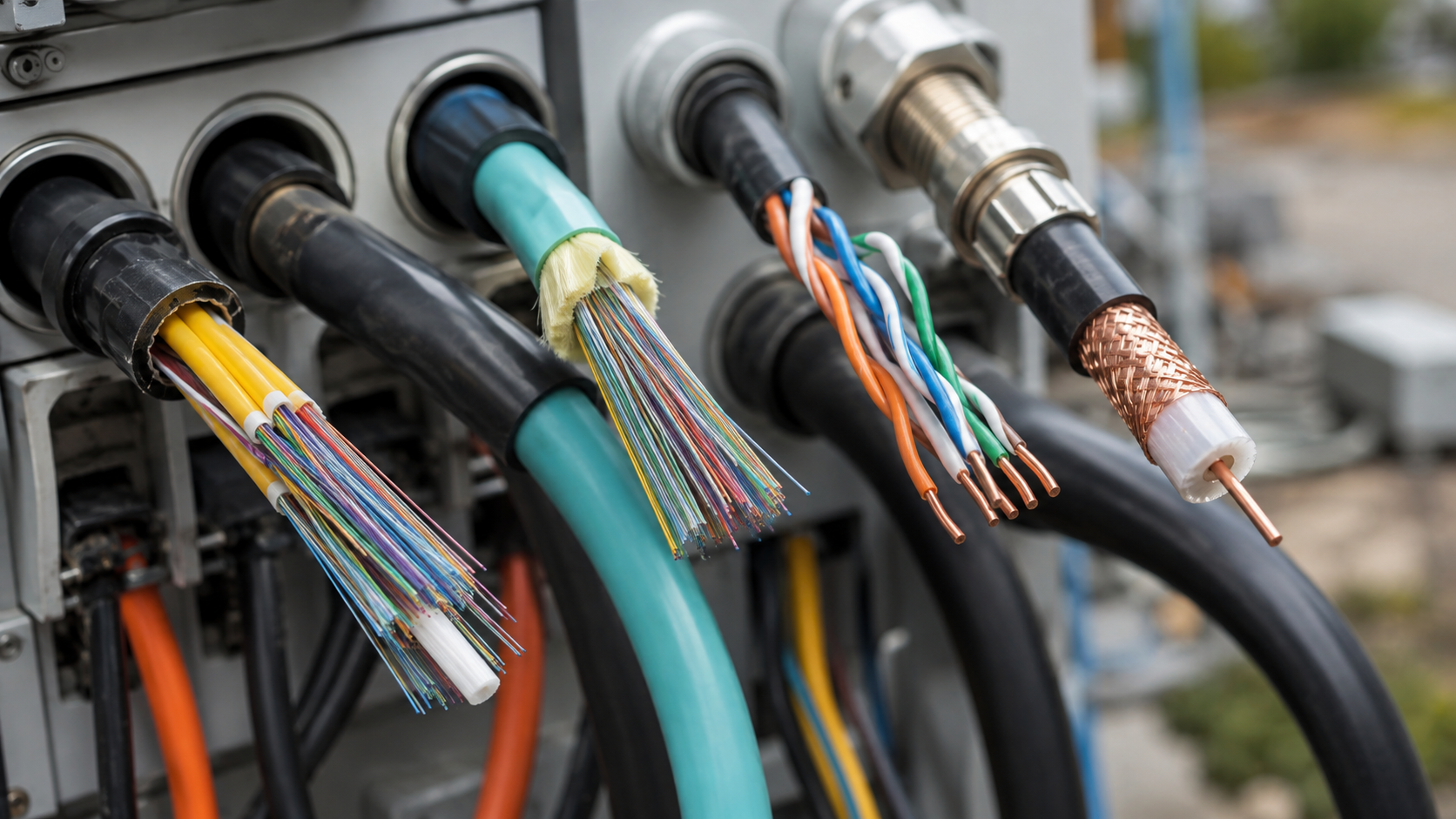
7.1 Purpose and Scope Selection of the appropriate cabling medium is one of the most…
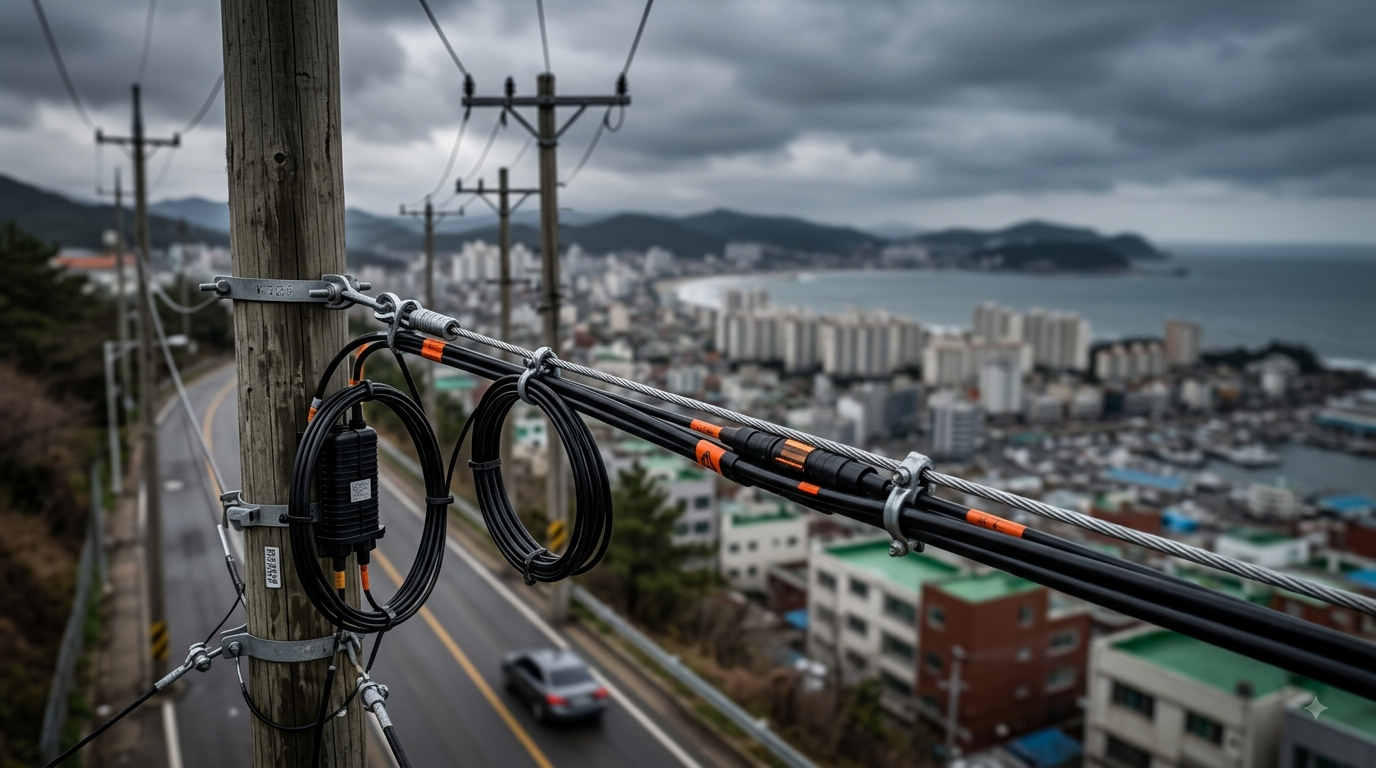
6.1 Purpose and Scope Aerial pathways remain a widely used and cost-effective method for deploying…
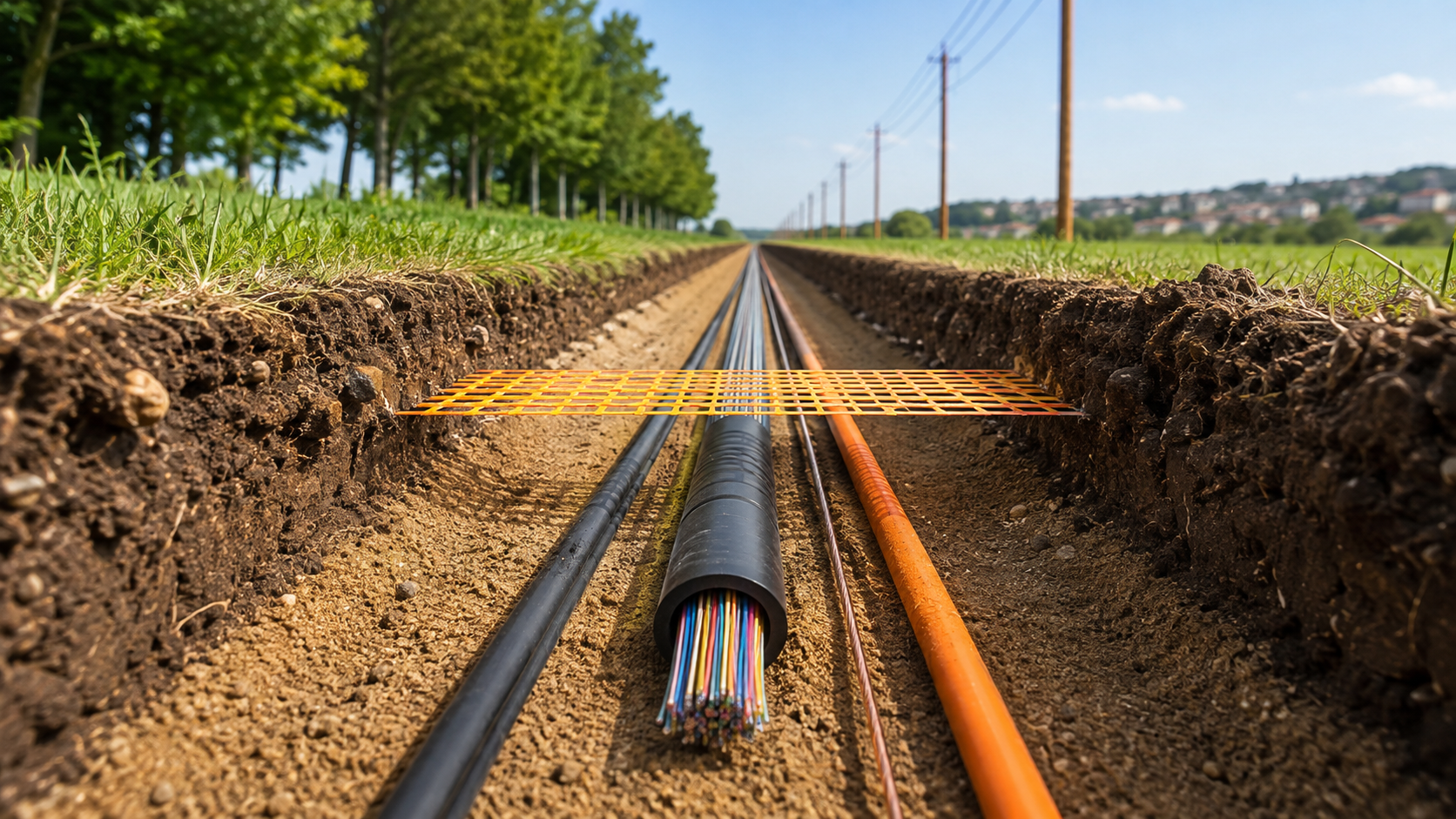
5.1 Purpose and Scope Direct-buried pathways place telecommunications cable directly in the soil without continuous…
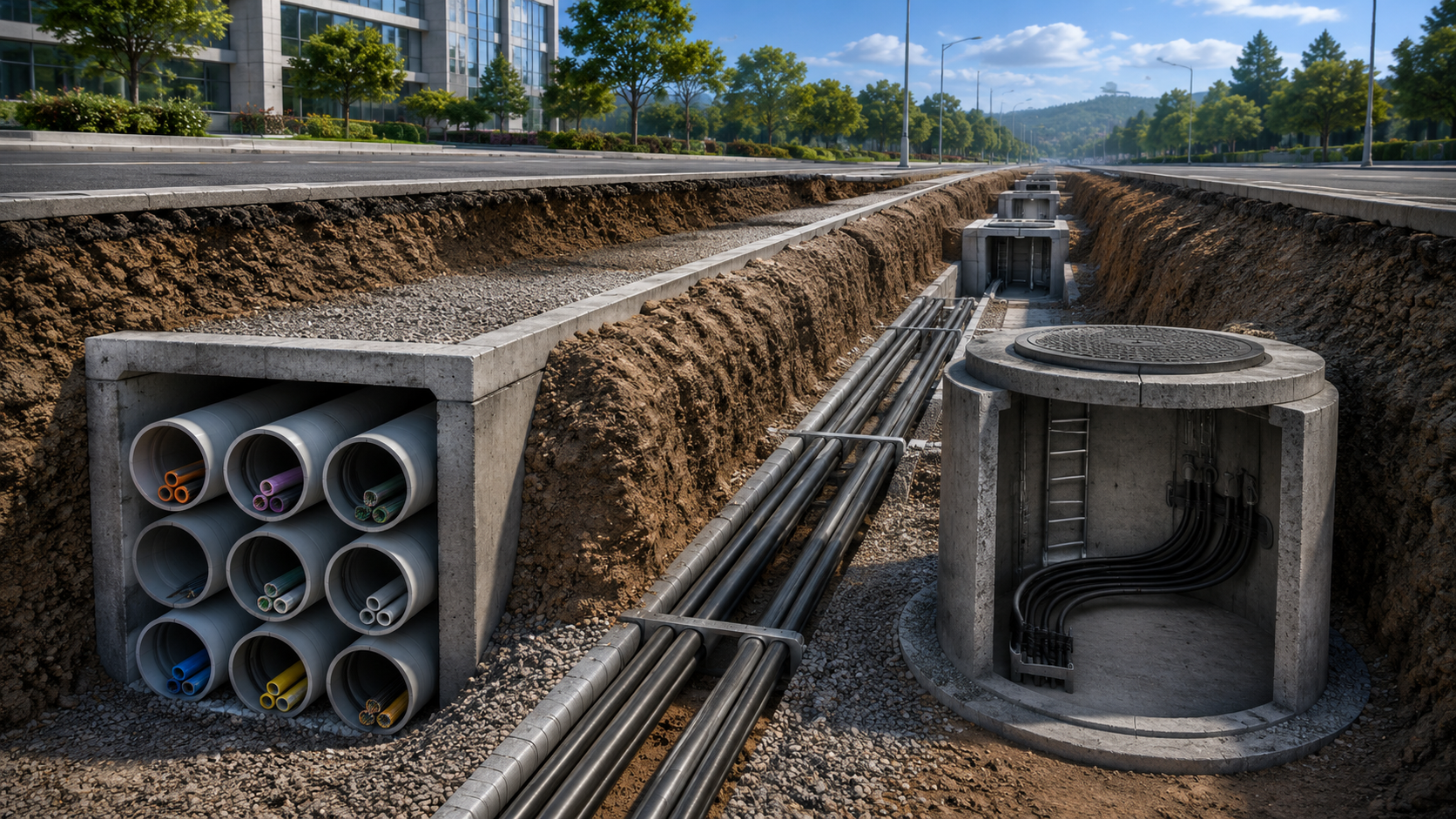
4.1 Purpose and Scope Underground pathways provide the highest level of mechanical protection and long-term…
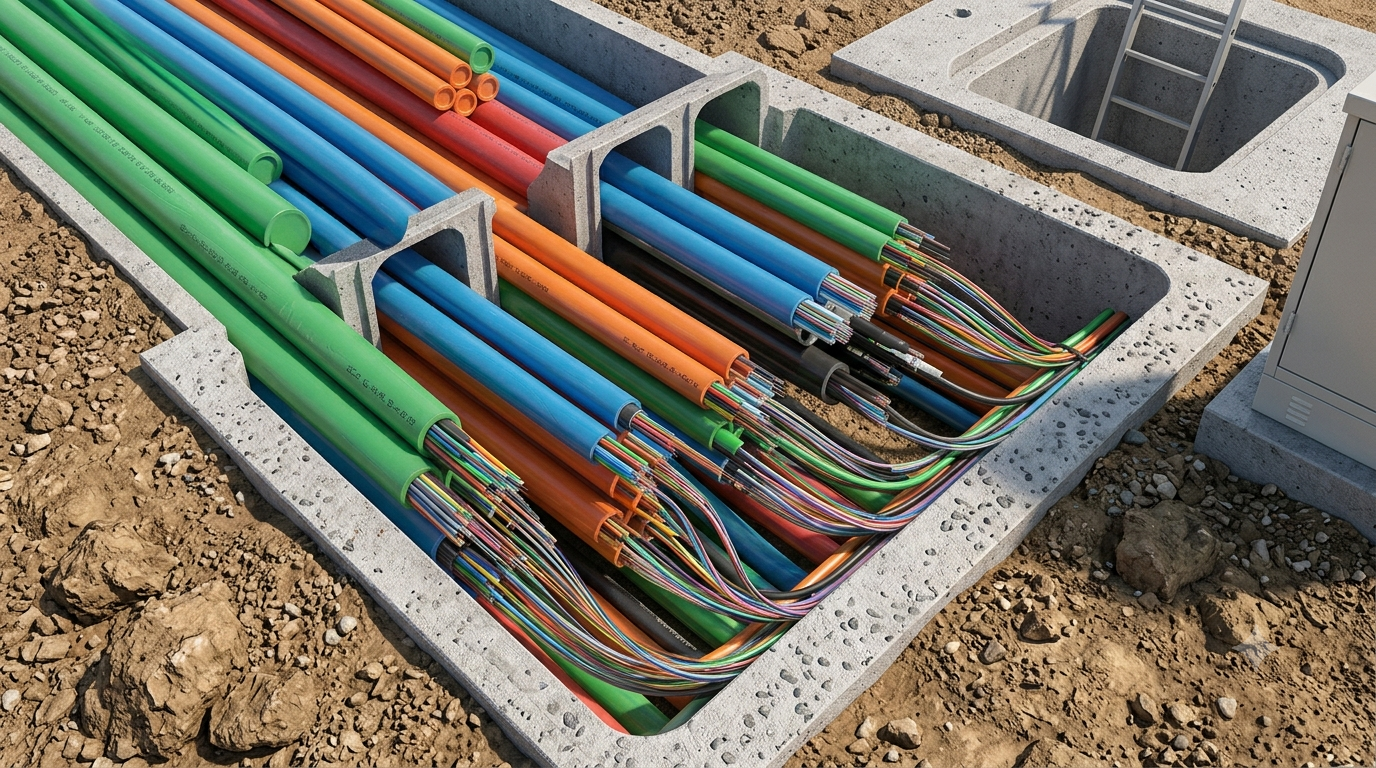
3.1 Purpose Pathways and spaces constitute the physical foundation of outside plant (OSP) telecommunications infrastructure.…