Introduction
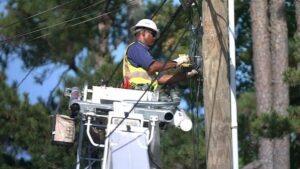
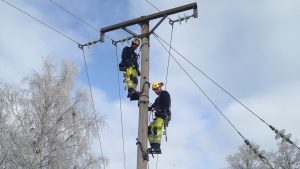
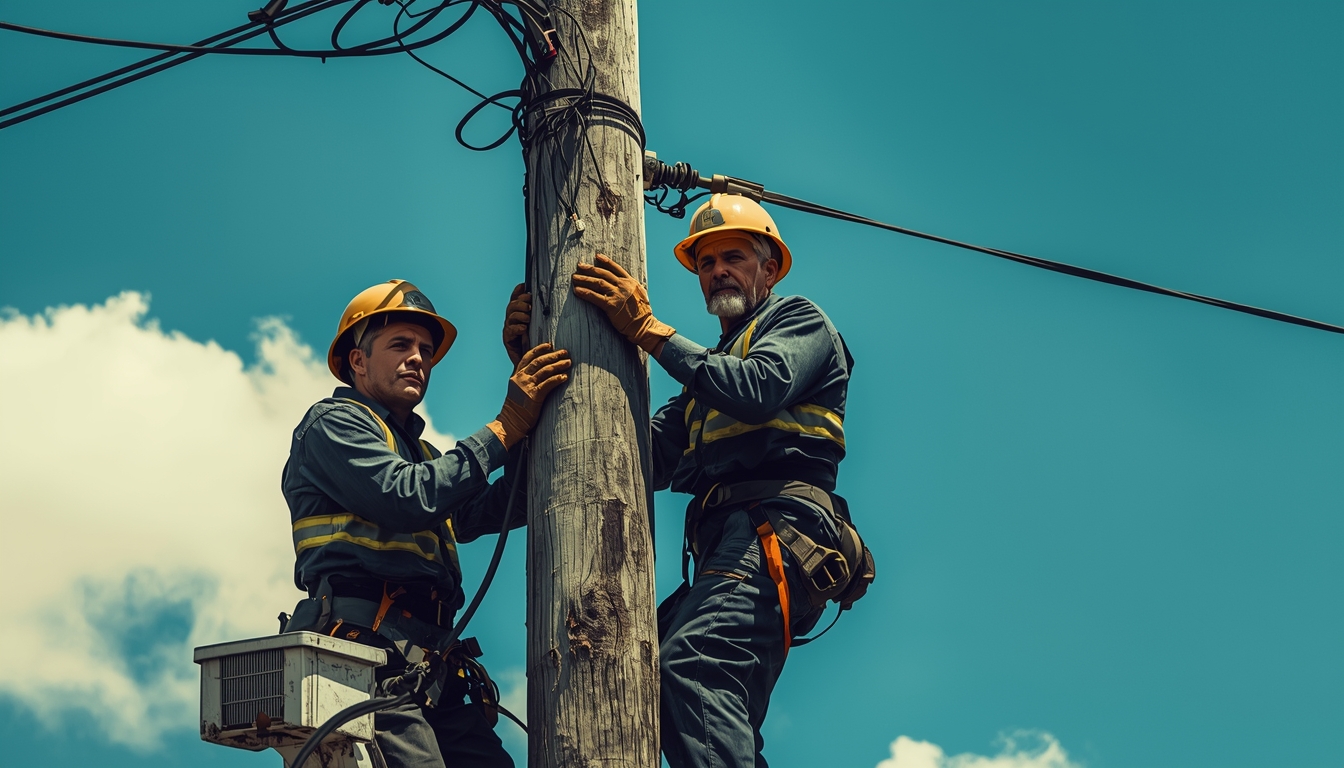
Pole climbing is a highly specialized skill required in utility line work, telecommunications, cable installation, tree services, and certain rescue operations. Unlike recreational climbing, professional pole climbing demands strict technical precision, disciplined safety habits, and proper use of equipment. Workers often operate at significant heights, around energized lines, and in unpredictable outdoor environments. Because of these risks, pole climbing must be approached systematically, with a strong emphasis on preparation, inspection, correct body mechanics, and regulatory compliance.
This instructional article provides an in-depth, step-by-step guide to pole climbing. It covers equipment selection, inspection procedures, climbing technique, positioning, descent, physical conditioning, hazard awareness, emergency planning, and maintenance. Whether you are a trainee lineman, a telecommunications worker, or an instructor developing training materials, this guide outlines the foundational and advanced practices necessary for safe and efficient pole climbing.
1. Understanding the Purpose and Scope of Pole Climbing
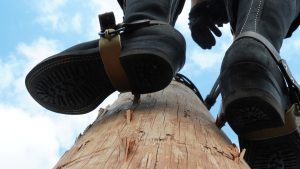
Pole climbing involves ascending and descending vertical wooden utility poles using climbing spurs (also called gaffs), a body belt or full-body harness, and a positioning strap. While many modern tasks can be performed using bucket trucks, pole climbing remains essential in locations where vehicle access is restricted or where specific maintenance tasks require direct pole access.
Professional pole climbers must understand:
-
Structural characteristics of wooden poles
-
Load-bearing principles
-
Electrical hazard awareness
-
Fall protection requirements
-
Environmental risk factors
Regulatory guidance for safe work practices in the United States is outlined by the Occupational Safety and Health Administration, which establishes fall protection and electrical safety standards for utility workers. Compliance with such standards is mandatory in professional environments.
2. Required Equipment and Its Proper Use
Proper equipment is the foundation of safe pole climbing. Each component must be selected carefully, fitted properly, and inspected before every use.
2.1 Climbing Spurs (Gaffs)
Climbing spurs attach securely to the climber’s boots and allow penetration into wooden poles.
Types of Gaffs:
-
Pole Gaffs: Shorter spikes designed for treated utility poles.
-
Tree Gaffs: Longer spikes for thicker bark (generally not used for utility poles).
Key Considerations:
-
Gaffs must be sharp.
-
The angle must be correct (slightly downward).
-
Straps must hold the spur tightly to the leg.
Dull or improperly fitted gaffs significantly increase the risk of slipping.
2.2 Body Belt or Full-Body Harness
Modern safety practice increasingly favors full-body harnesses over traditional body belts due to improved fall protection.
A properly fitted harness should:
-
Sit snugly without restricting breathing.
-
Distribute weight evenly.
-
Attach securely to D-rings for positioning straps.
Improper fit can cause instability or injury during a fall.
See Full Pole Climbing Guide PDF Here
2.3 Positioning Strap (Lineman’s Strap)
The positioning strap wraps around the pole and attaches to the climber’s D-rings. It allows the climber to lean back securely while working hands-free.
The strap must:
-
Be free of frays or cuts.
-
Include functional adjustment hardware.
-
Lock securely under load.
2.4 Personal Protective Equipment (PPE)
Required PPE typically includes:
-
Hard hat
-
Safety glasses
-
Heavy-duty gloves
-
Steel-toe boots
-
Flame-resistant clothing when working near electrical conductors
Never climb without full PPE compliance.
3. Pre-Climb Inspection Procedures
Inspection is not optional. Many climbing accidents result from skipped or rushed checks.
3.1 Pole Inspection
Before climbing:
-
Check for visible cracks, splits, or rot.
-
Look for insect damage.
-
Probe around the base for decay.
-
Verify pole stability.
-
Identify energized lines and maintain required clearance.
If structural integrity is questionable, do not climb.
3.2 Equipment Inspection
Inspect:
-
Gaff sharpness and alignment
-
Strap stitching and hardware
-
Harness webbing
-
Buckles and adjustment mechanisms
Any defective equipment must be removed from service immediately.
4. Preparing to Climb
Follow these preparation steps carefully:
-
Secure climbing spurs to boots tightly.
-
Fasten harness or belt.
-
Attach positioning strap to D-rings.
-
Stand facing the pole with balanced posture.
-
Wrap the strap loosely around the pole at waist height.
Your stance should be stable before lifting either foot.
5. Proper Climbing Technique (Step-by-Step)
Efficiency and safety depend on technique. Climbing should follow a rhythmic, controlled pattern.
Step 1: First Gaff Placement
Lift one leg and drive the gaff into the pole using a firm downward motion. The gaff should penetrate securely without overdriving.
Step 2: Weight Transfer
Shift your body weight onto the embedded gaff. Keep hips close to the pole and maintain upright posture.
Step 3: Second Gaff Placement
Raise the opposite leg and drive the second gaff into the pole approximately 8–12 inches above the first.
Step 4: Stand and Slide
Stand up by straightening your legs while sliding the positioning strap upward.
Step 5: Repeat Rhythmically
Continue the sequence:
-
Step
-
Stand
-
Slide strap
-
Reset
Avoid sudden jerks or overreaching.
6. Proper Body Mechanics
Correct body alignment reduces fatigue and increases safety.
-
Keep hips close to the pole.
-
Maintain a straight back.
-
Keep knees slightly bent.
-
Avoid leaning too far backward.
-
Keep movements deliberate and controlled.
Poor posture can cause gaff “cut-outs” (sudden slips).
7. Establishing a Safe Working Position
Upon reaching the desired height:
-
Tighten the positioning strap.
-
Lean back into the strap.
-
Keep both gaffs embedded securely.
-
Maintain three points of contact when possible.
Never depend on spurs alone for support.
8. Descending Safely
Descent must be controlled and methodical.
-
Loosen strap slightly.
-
Lower one gaff several inches.
-
Shift weight carefully.
-
Lower the second gaff.
-
Slide strap downward.
-
Repeat until ground contact.
Never slide rapidly or jump.
9. Common Errors and Corrections
Error 1: Improper Gaff Angle
Correction: Ensure downward penetration angle.
Error 2: Overreaching
Correction: Reposition instead of stretching.
Error 3: Climbing Too Fast
Correction: Maintain steady rhythm.
Error 4: Leaning Back Excessively
Correction: Keep hips close to pole.
10. Environmental and Electrical Hazards
Pole climbing often occurs outdoors under varying conditions.
Weather Hazards:
-
High winds
-
Rain
-
Lightning
-
Ice accumulation
Never climb during electrical storms.
Electrical Hazards:
-
Maintain minimum approach distances.
-
Treat all lines as energized unless confirmed otherwise.
-
Follow lockout/tagout procedures where applicable.
Electrical awareness training is mandatory in professional settings.
11. Physical Conditioning for Pole Climbers
Pole climbing demands endurance and strength.
Strength Areas to Develop:
-
Quadriceps and calves
-
Core muscles
-
Grip strength
-
Shoulder stability
Recommended Exercises:
-
Squats
-
Lunges
-
Planks
-
Pull-ups
-
Stair climbing
Training improves stamina and reduces fatigue-related accidents.
12. Fall Protection Systems
In addition to positioning straps, fall arrest systems may be required depending on regulations and job conditions.
Components may include:
-
Shock-absorbing lanyards
-
Rope grabs
-
Anchor systems
Always follow employer safety protocols and regulatory standards.
13. Emergency Preparedness and Rescue Planning
Before climbing:
-
Establish communication with ground crew.
-
Confirm rescue plan.
-
Ensure first aid equipment is accessible.
In case of emergency:
-
Stay secured.
-
Avoid panic movements.
-
Signal ground personnel.
Every job site should have a documented rescue procedure.
14. Equipment Maintenance and Storage
After each use:
-
Clean dirt and moisture.
-
Sharpen gaffs when dull.
-
Inspect stitching and hardware.
-
Store in dry, temperature-controlled environment.
Document inspections as required by company policy.
15. Training and Certification
Formal training is critical. Instruction should include:
-
Classroom safety instruction
-
Hands-on supervised climbing
-
Hazard recognition
-
Emergency response training
Employers must ensure workers meet safety standards before permitting independent climbing.
16. Long-Term Skill Development
Advanced pole climbing skills may include:
-
Climbing with tools
-
Working on crossarms
-
Transitioning between poles
-
Performing complex installations
These skills require advanced supervision and structured practice.
Conclusion
Pole climbing is a demanding professional skill that requires strength, discipline, technical precision, and unwavering commitment to safety. Every phase—from equipment inspection to descent—must be performed deliberately and correctly.
Successful pole climbers understand that safety is not a single action but a continuous process. Inspection, positioning, technique, awareness, and communication must work together seamlessly.
By mastering proper climbing mechanics, maintaining equipment diligently, adhering to regulatory standards, and committing to ongoing training, professionals can perform pole climbing tasks efficiently and safely.
Pole climbing is not merely about ascending a structure—it is about doing so responsibly, methodically, and with full awareness of the risks involved. With preparation and disciplined practice, it becomes a reliable and essential professional skill.